
Maintaining your car’s brake system is crucial for safety and performance. Unfortunately, it is often overlooked by drivers in the UK. The brake system is not just a collection of parts; it is a sophisticated network designed to ensure that you can stop your vehicle quickly and safely under various driving conditions.
Understanding the Basics of Car Brake Systems

What is a Car Brake System?
A car’s brake system is a crucial safety feature that allows the vehicle to slow down or come to a complete stop. It consists of several components working together, making it essential for anyone interested in brake maintenance to understand these parts.
- Brake Pads: These are the friction materials that press against the brake discs to slow the vehicle. Over time, they wear down, reducing their effectiveness and compromising safety.
- Brake Discs: Also known as discs, these steel components rotate with the wheels and serve as the surface against which brake pads press to create friction. Warped or worn discs can lead to poor braking performance.
- Brake Fluid: This hydraulic fluid is crucial for transferring power from the brake pedal to the brake calipers, which engage the brake pads and discs. Neglecting brake fluid maintenance can result in brake failure.
Understanding these components is vital for recognising when your system requires attention. Regular checks can ensure that all parts function optimally, preventing dangerous situations on the road.
The Importance of Each Component
Every component in the brake system has a specific role that is essential for safety and performance:
- Brake Pads: Worn brake pads can lead to metal-on-metal contact, causing irreversible damage to your discs.
- Brake Discs: Warped or excessively worn discs can make your car shake during braking, indicating immediate attention is necessary.
- Brake Fluid: Contaminated or low brake fluid can result in a spongy brake pedal feel or reduced braking power, which can be catastrophic at high speeds.
Understanding each of these components helps appreciate the importance of maintenance and its role in driving safety.
Common Brake Issues and Their Symptoms

Spotting the early warning signs of brake wear, such as squealing, grinding, vibration or a spongy pedal, is critical for effective maintenance and safety. For a full rundown of what to watch for, see our guide to the 7 warning signs your brakes need urgent attention.
Understanding Brake Fluid Degradation
Brake fluid is often an overlooked component that plays a vital role in brake performance. Common signs of brake fluid issues include:
- Low Fluid Levels: If you notice your brake fluid reservoir is low, it could indicate a leak in the system, leading to reduced braking power.
- Contamination: Brake fluid can absorb moisture over time, degrading its effectiveness. Contaminated fluid may appear milky, signalling it’s time for a complete fluid change.
Maintaining the proper level and quality of brake fluid is essential for effective braking performance and the longevity of your brake system.
Essential Maintenance Tips for Your Brake System
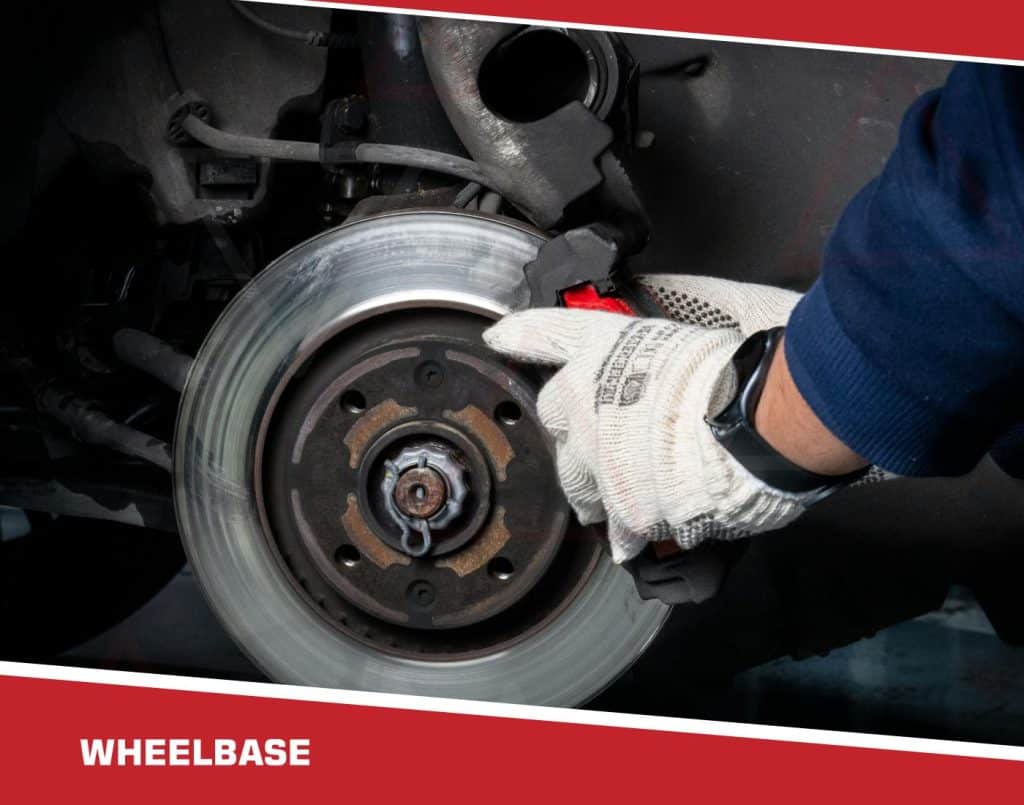
Proper brake maintenance is key to keeping your vehicle safe. Below are essential maintenance tips every driver should follow:
Regular Inspection of Brake Pads and Discs
To maintain optimal braking performance, inspect your brake pads and discs regularly.
- Frequency: Check your brake pads and discs every 6,000 to 12,000 miles or every time you change your oil.
- What to Look For: Examine the brake pads for wear indicators. Most pads are designed to make a noise when they near the end of their life. Discs should always appear smooth; any grooves or rust should be noted.
By performing regular inspections, you can proactively replace worn components and avoid costly repairs.
How to Check and Replace Brake Fluid
Here’s a step-by-step guide to checking and replacing your brake fluid:
- Safety First: Ensure the vehicle is on a level surface with the engine off.
- Locate the Brake Fluid Reservoir: Typically found at the back of the engine compartment; the cap is often labelled.
- Check Fluid Levels: The reservoir usually has minimum and maximum markings. If the level is below the minimum, you need to add fluid.
- Inspect Fluid Condition: If the fluid appears dark or has debris, it’s time for a change.
- Replace Brake Fluid:
- Drain the old fluid from the reservoir.
- Fill with new brake fluid (ensure it’s the correct type; usually DOT 3 or DOT 4).
- Bleed the brakes to remove air bubbles, which usually requires assistance.
Regularly checking and replacing your brake fluid can prevent performance issues and ensure safety during your drives.
Importance of Professional Servicing
While DIY maintenance can save you money, some brake issues are best left to professionals. Here are circumstances where you should seek help:
- Complex Symptoms: If you experience unusual noises or sensations, it’s wise to get a professional assessment.
- Unfamiliar with Brake Systems: If you don’t have experience working with brake systems, consider hiring a mechanic.
- Lack of Tools: Certain tasks, like disc replacement or brake bleeding, may require specialised tools and expertise.
Seeking professional help ensures that any complex issues can be diagnosed and rectified effectively, keeping your brake system in top condition.
Choosing Quality Components for Brake Repair
When replacing components of the brake system, the choice between OEM (Original Equipment Manufacturer) and aftermarket parts can be crucial.
- OEM Parts: Manufactured by the same company that made the original parts for your vehicle, ensuring a perfect fit and often coming with a warranty. However, they can be pricier.
- Aftermarket Parts: These may be less expensive and offer enhancements not found in OEM parts. However, quality can vary significantly. Researching a reputable brand is essential for ensuring the components meet safety standards.
The Importance of Quality Components
Selecting the right parts for your repair is vital for optimal braking performance. Poor-quality parts can lead to premature wear or failure, ultimately compromising your vehicle’s safety. Always consult reviews and ratings and consider your specific driving needs when choosing brake components.
Environmental Considerations in Brake Maintenance
Drivers in the UK must consider how weather and road conditions can affect brake wear.
Impact of UK Weather
- Rain and Wet Conditions: Frequent rain can cause brake components to rust and degrade faster than in dryer climates. Regular inspections are essential, especially for those living in coastal areas.
- Temperature Fluctuations: Cold weather can cause brake fluid to thicken, while hot weather may degrade brake pads faster. Understanding your local climate can guide your maintenance schedule.
Eco-Friendly Products
Consider eco-friendly brake products that minimise environmental impact:
- Organic Brake Pads: These produce less dust and contain fewer harmful chemicals.
- Recycled Brake Fluid: Some brands offer recycled options that reduce environmental harm.
Utilising eco-friendly products can help maintain performance while caring for the environment.
Actionable Tips for Maintaining Your Brake System
To help you keep your brake system in top condition, here are actionable steps to follow:
- Regular Check-Ups: Schedule brake system inspections every 6-12 months or before long trips.
- Look for Warning Signs: Stay alert for any noise, vibration, or changes in brake responsiveness.
- Replace Brake Pads: Change them every 20,000-30,000 miles, depending on driving habits.
- Flush Brake Fluid: Replace brake fluid every 2 years to remove moisture and contaminants.
- Choose Quality Parts: Always opt for reliable OEM or high-quality aftermarket parts when replacements are necessary.
Regular Brake Maintenance Checklist
- Check brake fluid level and condition every 1,000 miles.
- Inspect brake pads and discs with every oil change.
- Test brakes for responsiveness by backing off from a speed of 30-40 mph.
- Schedule professional checks if any warning signs are observed.
By following these steps, you can ensure a safe driving experience while extending the life of your vehicle’s brake system.
Conclusion
In conclusion, maintaining your car’s brake system is essential for ensuring your vehicle’s safety and enhancing your overall driving experience. Regular inspections, choosing quality components, and understanding common brake issues are pivotal steps in brake maintenance. By adhering to the tips and guidelines outlined in this blog, UK car owners, mechanics, and automotive enthusiasts can prolong the life of their brake systems while increasing safety on the roads. Brakes are only half the safety picture: wheel alignment is part of overall vehicle safety too.
Don’t overlook the importance of your braking performance, schedule your brake system inspection today to ensure safe driving!