
Wheel AlignmentIn Burgess Hill
Front wheel alignment specialists
Wheel alignment, sometimes called tracking, is the adjustment of the angles your wheels sit at relative to the road and to each other. When alignment drifts even slightly, tyres wear unevenly, the car can pull to one side on a straight road, and fuel economy quietly drops.
At Wheelbase Garage in Burgess Hill, we run precision wheel alignment checks and adjustments for cars and light vans from across Burgess Hill, Haywards Heath, Hassocks and the wider Mid Sussex area. We use modern alignment equipment that measures all the relevant angles (toe, camber and caster) against your manufacturer’s specification, so adjustments are accurate rather than guesswork.
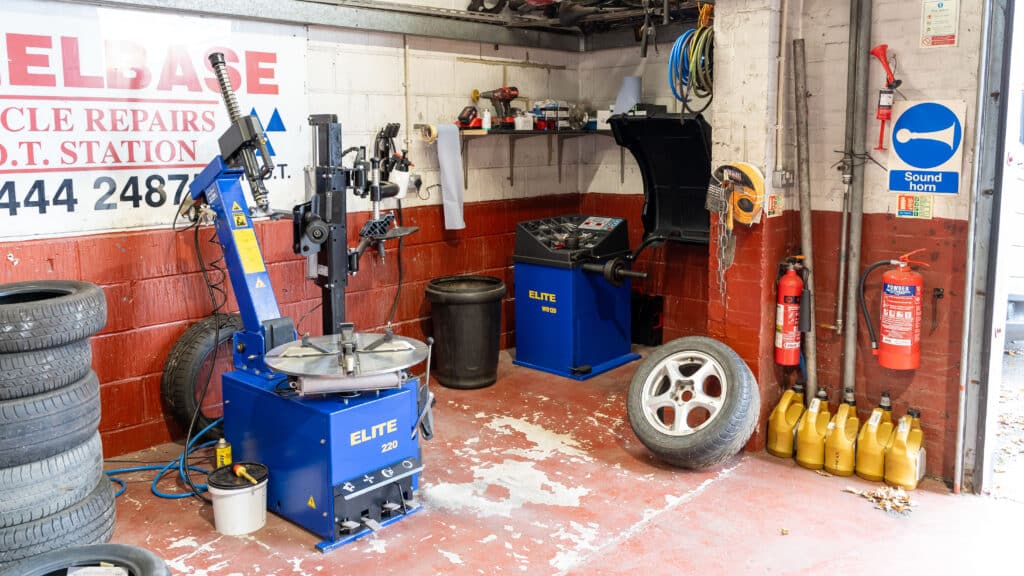
Maximise tyre life
Misalignment can cause rapid and uneven tyre wear, leading to the need for premature replacements. Our precise wheel alignment adjusts the angles of your tyres to ensure they make optimal contact with the road. This reduces unnecessary friction and wear, allowing your tyres to perform better and last longer.
Regular wheel alignment checks are a smart investment, saving you money in the long run by maximising tyre life and improving overall vehicle efficiency.
If your alignment has caused uneven wear that has gone too far to even out, we can also fit a fresh set of tyres in the same visit.
Signs your alignment needs attention
Wheel alignment rarely fails dramatically. It drifts in slowly after kerb strikes, potholes, suspension repairs or simply over time. The signs to watch for:
- Uneven tyre wear: more wear on the inside or outside edge of one tyre than the other.
- Steering pull: the car drifts to one side when you take your hands off the wheel briefly on a straight, level road.
- Off-centre steering wheel: the steering wheel sits at a slight angle when you are driving in a straight line.
- Steering feels loose or vague: the car feels less stable at motorway speeds.
- Excess road noise from the tyres: cupping or scalloping wear creates a hum that gets louder with speed.
If you are noticing any of these, it is worth booking an alignment check. For a fuller breakdown of what to look for, read our guide to the signs your wheels are out of alignment.


Two-wheel vs four-wheel alignment
Most front-wheel-drive cars only need their front wheels aligned. This is called two-wheel alignment or front tracking. The two front wheels are set to the manufacturer’s specification for toe, camber and caster.
Cars with independent rear suspension (which includes most modern saloons, estates, SUVs and many hatchbacks) need four-wheel alignment. All four wheels are set against each other and against the centre line of the car, not just the front pair.
We will tell you which your car needs when you book in.
It is also worth knowing that wheel alignment and wheel balancing are different jobs that often get confused: read more about the difference between tracking and balancing.
Free Courtesy Cars
Free Wifi
Waiting Room
Our Happy Customers
Frequently Asked Questions
Wheel alignment involves adjusting the angles of your vehicle’s wheels to the manufacturer’s specifications. It’s important because proper alignment ensures optimal contact of the tyres with the road, leading to improved vehicle handling, increased fuel efficiency, and extended tyre life. It also helps in maintaining a straight steering wheel and smoother driving experience.
It’s generally recommended to have your wheels aligned every 10,000 to 15,000 miles or at least once a year. However, if you frequently drive on rough roads, or if you notice symptoms like uneven tyre wear or your vehicle pulling to one side, you should have it checked sooner.
Signs that your vehicle may need wheel alignment include uneven or rapid tyre wear, the steering wheel being off-centre when driving straight, the vehicle pulling to one side, and unusual handling or vibrations.
Front wheel alignment involves adjusting only the front wheels, while four-wheel alignment includes adjustments to all four wheels. The type of alignment your vehicle needs depends on its make and model, as well as the type of suspension system.
A typical wheel alignment takes about an hour. However, the time can vary depending on the type of vehicle and the extent of the alignment needed.
Yes, proper wheel alignment can improve fuel efficiency. Misaligned wheels can create more rolling resistance as the tyres aren’t moving in a straight line, which requires more energy (fuel) to move the vehicle.