
In car maintenance, aircon cabin filters are often overlooked. However, understanding their critical role is vital for maintaining optimal automotive air quality. This blog explores the functions of aircon cabin filters, the importance of maintaining high cabin air quality in your vehicle, how to care for these filters, and common misconceptions surrounding them. By the end, you will understand why aircon cabin filters should be a priority in your vehicle maintenance routine.
Understanding Aircon Cabin Filters
What Are Aircon Cabin Filters?
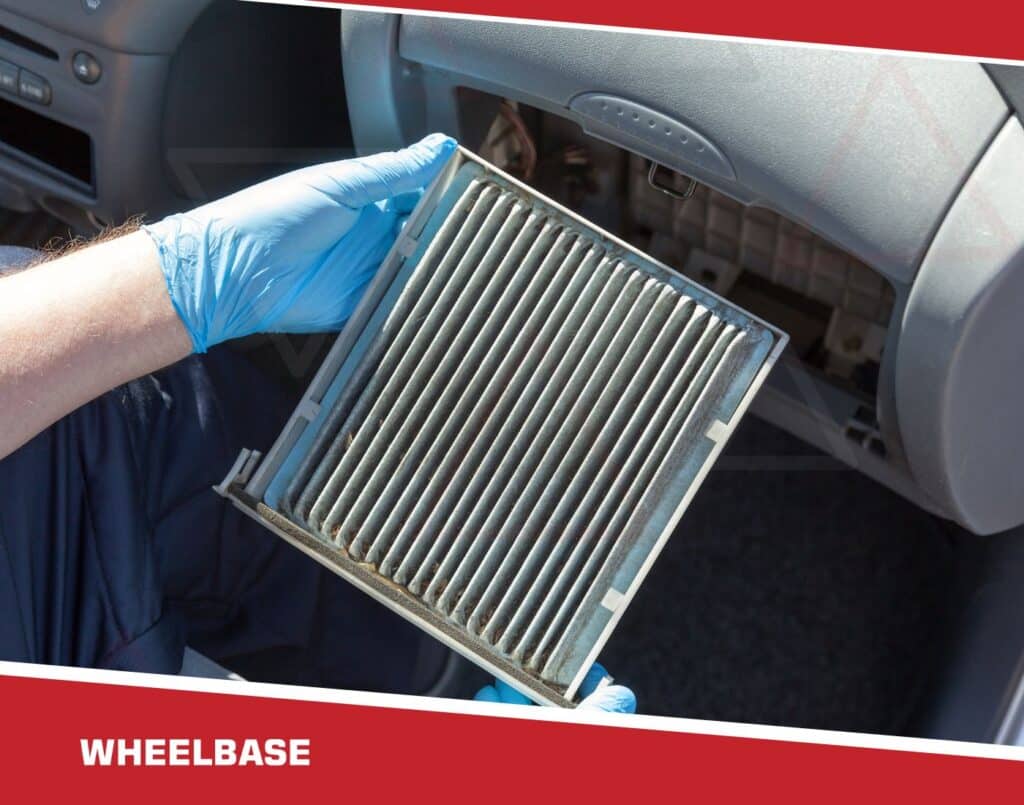
Aircon cabin filters, or car cabin air filters, are integral to your vehicle’s air conditioning and ventilation systems. These filters purify the air entering the cabin, ensuring that occupants breathe clean air free from contaminants. Typically found behind the glove compartment or under the dashboard, these filters serve as the first line of defence against airborne pollutants.
How Do They Function?
Aircon cabin filters function by trapping particulates. As air flows through the vehicle’s air conditioning system, it passes through the filter, which captures dust, pollen, smoke, and other microscopic particles. By preventing these contaminants from entering the cabin, the filter maintains a healthy environment for drivers and passengers.
Components and Materials
Aircon cabin filters are made from various materials that enhance their filtering capabilities:
- Standard Fibre Filters: Capture larger dust and debris but may not be effective against smaller particulates or odours.
- Activated Carbon Filters: These filters trap particulates and absorb unpleasant odours and harmful gases, improving overall air quality.
- HEPA Filters: Known for high-efficiency filtration, HEPA filters capture around 99.97% of particles that are 0.3 microns in size, making them ideal for allergy sufferers and those concerned about air quality.
The choice of filter material affects the air filtration system’s effectiveness, measured by its MERV rating (Minimum Efficiency Reporting Value), indicating how well a filter captures large and small particulates. A higher MERV rating signifies better filtration performance.
Importance of Air Quality in Vehicles
The Connection Between Cabin Air Quality and Health
As maintaining a clean environment at home or work is vital, ensuring high air quality within your vehicle is equally important. Studies show that the air inside vehicles can be more polluted than outside air, particularly in congested traffic areas. Common contaminants that can infiltrate your vehicle include:
- Particulate Matter: Tiny particles from external sources, such as dust or vehicle emissions.
- Allergens: Dust mites, pollen, and mould spores can enter a vehicle, causing allergic reactions.
- Volatile Organic Compounds (VOCs): Chemicals emitted by materials in the vehicle, including upholstery and air fresheners, which can lead to health complications.
Many people spend considerable time commuting or travelling in their vehicles, so the necessity for clean air cannot be overstated. Poor cabin air quality can lead to fatigue, eye irritation, headaches, and exacerbate respiratory issues like asthma.
Sources of Contaminants in Vehicles
Understanding the sources of in-car air pollutants highlights the importance of aircon cabin filters. Contaminants can enter vehicles through:
- Open Windows: Pollutants such as pollen and vehicle exhaust can infiltrate when stationary or in motion.
- Pet Hair and Dander: For pet owners, even short rides can introduce allergens into the cabin.
- External Environment: Dust and soot from busy roads and construction sites can easily find their way inside.
Recognising these sources reveals that aircon cabin filters are essential for both convenience and health, making regular inspection and replacement necessary.
How Aircon Cabin Filters Work
The Filtration Process
Aircon cabin filters employ a multi-stage filtration process. As air is drawn into the ventilation system, large particles are trapped by the filter’s outer layer. Next, finer particles pass through to the inner layers where smaller contaminants are captured, resulting in cleaner air entering the cabin. This process is vital for maintaining comfort and ensuring the health of all occupants.
Types of Particulates Captured
Depending on the type of filter, various particulates may be captured:
- Dust and Dirt: Common particulates that accumulate in- and outside the vehicle.
- Pollen: A significant allergen during certain seasons that quality filters effectively trap.
- Mould Spores: These can lead to respiratory problems; good filters reduce their presence inside the vehicle.
- Fumes and Odours: Activated carbon filters particularly combat these, making them ideal for urban or industrial driving environments.
Filter Technologies
Activated Carbon Filters:
These filters capture particulates and adsorb harmful gases and odours, significantly improving overall air quality. Their ability to neutralise smells from both outside and within the vehicle makes them a popular choice for many drivers.
HEPA Filters:
Ideal for those with allergies or respiratory issues, HEPA filters provide high-efficiency filtration. They can capture ultrafine particles, ensuring that cabin air is healthier, especially during peak allergen seasons.
Investing in high-quality aircon cabin filters can dramatically enhance air quality, leading to a more comfortable and healthier driving experience.
Maintenance and Replacement of Aircon Cabin Filters
Best Practices for Maintenance
To ensure optimal performance, aircon cabin filters should be regularly maintained. Here are some best practices:
- Regular Inspections: Every few months, visually inspect the filter if accessible. If it appears dirty or clogged, it’s time for a replacement.
- Consult the Vehicle Manual: Manufacturers often provide specific guidelines on how often cabin filters should be changed. Follow these recommendations for optimal air quality.
- Monitor Airflow: If you notice reduced airflow from vents or an unpleasant odour when the air conditioning is activated, these can be signs that the filter is compromised.
Replacement Timing
The lifespan of aircon cabin filters varies based on driving conditions and filter quality. Generally, it is advisable to replace these filters at least once a year or every 12,000 to 15,000 miles. However, in heavy traffic areas or regions with high pollen counts, more frequent changes may be necessary.
Steps for Replacement
- Locate the Filter: Typically found behind the glove compartment or under the dashboard; consult your vehicle’s manual for precise location details.
- Remove the Old Filter: Carefully take out the old filter, noting its orientation for correct installation of the new filter.
- Install the New Filter: Insert the new filter in the same orientation, ensuring a snug fit.
- Test the System: After replacement, turn on the air conditioning system to check for improved airflow and absence of strange odours.
Regular maintenance and timely replacement can prevent risks associated with neglected aircon cabin filters, including reduced air quality, odour buildup, and potential strain on the air conditioning system.
The Impact of Weather and Driving Conditions
Factors Affecting Cabin Filter Performance
Understanding how environmental factors impact filter performance is essential for vehicle owners. Various weather conditions can affect:
- Humidity Levels: In humid climates, mould and mildew are more likely to develop within filters, making regular checks and replacements necessary.
- Pollen and Dust: In areas with high vegetation, pollen counts can significantly increase during certain seasons, requiring more frequent filter changes.
- Smog and Pollution: In urban environments, vehicle emissions can contribute to air pollution within the vehicle, making a high-quality filter vital.
Geographic Considerations
Depending on your typical driving environment—whether rural or urban—the demands on your aircon cabin filter can vary significantly. City dwellers might face exhaust fumes and particulate matter daily, while those in less populated areas may find natural allergens like pollen more concerning.
Vehicle owners should adjust their cabin filter maintenance strategy based on these factors, ensuring that they meet both environmental and vehicular demands.
Common Misconceptions About Cabin Filters
Addressing Misconceptions
Several misconceptions surrounding aircon cabin filters detract from their perceived importance:
- Misconception: Cabin Filters Are Unnecessary.
Reality: Poor cabin air quality can lead to health complications, making these filters essential for maintaining a breathable environment. - Misconception: All Filters Are Created Equal.
Reality: Filter quality varies greatly; opting for high-efficiency filters can dramatically improve air quality compared to standard filters. - Misconception: Cabin Filters Last Forever.
Reality: Regular changes are critical to effectiveness; dirty filters may allow particles to bypass filtration.
Educating vehicle owners on these points is crucial for fostering better maintenance habits and ensuring a healthier driving experience.

Conclusion
Aircon cabin filters are a critical component of maintaining automotive air quality and occupant comfort. Understanding their functions, the importance of high cabin air quality, and best practices for maintenance can lead to significant improvements in overall vehicle performance and health. As vehicles become increasingly sophisticated, so should our approach to maintaining them. Don’t underestimate the importance of aircon cabin filters; regular maintenance should be a priority for all vehicle owners. Start incorporating routine checks and replacements into your automotive care regimen today to enjoy the freshest air possible while on the road.