
The clutch is the part of a manual car that connects the engine to the gearbox, and its friction material wears a little every time it takes up drive. Most clutches give plenty of warning before they fail. The difficulty is that the early signs creep in so gradually that many drivers get used to them, until the day the car will not pull away on a hill.
The most common signs your clutch is going are:
- Slipping: the engine revs rise but the car does not speed up to match.
- A high biting point: the clutch only bites near the top of the pedal travel.
- Judder: the car shudders as you pull away from a standstill.
- Difficulty changing gear: crunching, or struggling to select first or reverse.
- Noise: squealing, rumbling or grinding when you press or release the pedal.
- A change in pedal feel: spongy, heavy, loose, or sticking to the floor.
- A burning smell: often after a hill start or a long crawl in traffic.
This guide explains what each sign means, how to tell a clutch fault from a gearbox fault, what a clutch replacement involves, where a dual mass flywheel fits in, and when it is time to have the car looked at.
Understanding the Clutch System and Its Importance in Your Vehicle
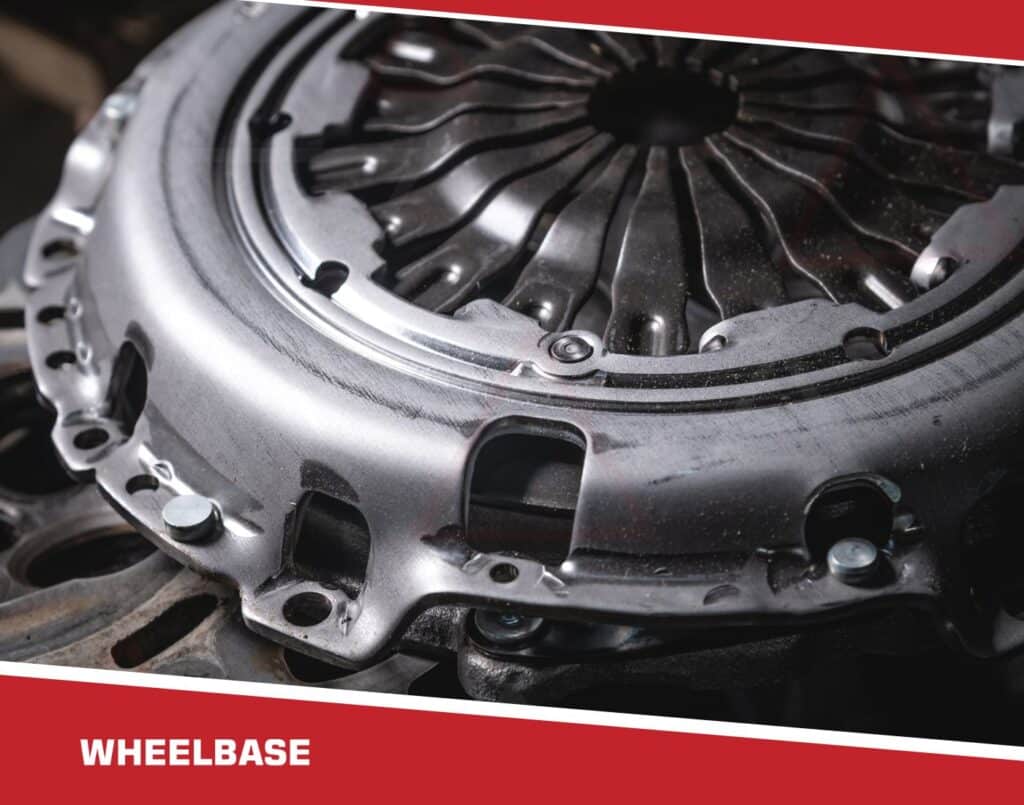
To grasp the severity of a failing clutch, it’s essential to understand how the clutch system operates. In manual vehicles, the clutch serves as a vital link between the engine and the wheels. When you press the clutch pedal, it disengages the engine from the transmission, allowing for smooth gear changes. By regulating this connection, the clutch helps power transfer, which is essential for effective driving, acceleration, and deceleration.
How a Clutch Works
The clutch consists of several components, including:
- Clutch Disc: This part engages with the flywheel, transferring power from the engine to the transmission.
- Pressure Plate: It holds the clutch disc against the flywheel.
- Release Bearing: This component engages and disengages the clutch when you press or release the pedal.
- Flywheel: Bolted to the engine’s crankshaft, it gives the clutch disc a surface to grip. Many modern cars use a dual mass flywheel, which is covered further down this guide.
- Hydraulics or Cable: Many cars use a master cylinder and slave cylinder filled with hydraulic fluid to move the release bearing when you press the pedal. Some cars, particularly older ones, use a cable instead.
Critical Role in Vehicle Operation
Given its important role, a properly functioning clutch is essential for performance. Problems can cause issues such as:
- Difficulty in changing gear, making driving unsafe.
- A slipping clutch, which wastes engine power and wears the friction material faster.
- Increased wear and tear on other components, resulting in costly repairs.
Recognising signs of a failing clutch early on can provide peace of mind and ensure that issues are handled before escalating into serious problems.
Common Signs of a Failing Clutch

Difficulty Changing Gear
One of the most common signs of a failing clutch is encountering difficulties when changing gears. If your vehicle resists when attempting to shift or if you hear grinding noises, the clutch may not be fully disengaging.
Physics Behind the Issue
This often arises due to problems with the hydraulic system or wear in the clutch disc. Worn friction materials or insufficient hydraulic pressure can prevent the clutch from operating effectively, leading to challenging shifts.
Examples:
- In Town: Difficulty selecting first gear when stopped at traffic lights is a clear indicator of clutch problems.
- On Faster Roads: Struggling to change up into higher gears while accelerating may signal clutch failure.
Spongy or Stiff Clutch Pedal
A noticeable change in the feel of the clutch pedal can be another sign of failure. A spongy pedal may indicate air in the hydraulic system; a stiff pedal can signify issues with the release bearing or other components.
Mechanics Behind the Symptoms
The clutch pedal relies on hydraulic fluid to function. Low fluid levels or leaks can cause a spongy feel. Increased resistance in the pedal may suggest issues with mechanical linkages or wear on the clutch cable.
Identifying the Problem:
- Spongy Pedal: If the pedal feels inadequate, immediate inspection is necessary.
- Stiff Pedal: If you have to apply additional force to engage the clutch, do not ignore it.
Unusual Noises When Using the Clutch
Strange sounds during engagement can hint at several problems. Squeaking or grinding noises may indicate a worn clutch disc or a failing release bearing.
Potential Causes:
- Grinding Noises: This often indicates improper engagement, possibly due to worn components.
- Squeaking Sounds: These can arise from a lack of lubrication or the wearing down of parts.
Practical Examples:
- Engaging Gear: Hearing a grinding sound while shifting can signal wear on the clutch system.
- Neutral Position: Squeaking while idling in neutral with the clutch pedal pressed calls for examination.
When the noise happens is a useful clue. A whirring or squealing noise that starts when you press the pedal and stops when you release it often points to the release bearing. A rumble in neutral that goes quiet when you press the pedal is more likely to be coming from inside the gearbox. That overlap is why a noise is worth having diagnosed rather than guessed at.
Slipping Clutch
A slipping clutch is perhaps the most concerning symptom, occurring when the clutch fails to engage completely, causing the engine revs to rise without a corresponding rise in road speed.
How It Feels While Driving:
- An engine that revs normally but the car doesn’t accelerate as expected indicates potential clutch slipping.
- The sensation of losing power, especially when heading uphill, is often tied to this issue.
Dangers:
A slipping clutch can be dangerous, especially in heavy traffic or on hills. Ignoring the issue could lead to complete clutch failure.
Slipping usually shows up first under load: overtaking, climbing a hill, or accelerating hard in a higher gear. It tends to get worse rather than better, because a slipping clutch generates heat, and heat wears the friction material faster.
High Biting Point
The biting point is where the clutch starts to take up drive as you lift the pedal. As the friction material on the clutch disc wears thinner, the biting point tends to move higher up the pedal travel. If you now have to lift your foot almost to the top before the car moves, and it used to bite lower down, the clutch is likely to be wearing.
A low biting point, where the clutch only engages with the pedal close to the floor, is usually a different problem. It can point to air or a leak in the hydraulic system, or to a cable that needs attention on cars that use one, rather than to a worn disc.
Every car’s biting point is different, so the useful comparison is with how your own car used to feel, not with someone else’s.
Clutch Judder When Pulling Away
Judder is a shudder through the car as the clutch engages, most noticeable when pulling away from a standstill or reversing up a slope. It happens when the clutch does not take up drive smoothly. Common causes include oil or grease contaminating the friction material, uneven wear or heat damage on the pressure plate or flywheel surface, and worn engine or gearbox mountings.
On cars with a dual mass flywheel, a worn flywheel can produce very similar symptoms, so judder is one of the signs that needs a proper diagnosis before any parts are ordered.
Burning Smell
A sharp, acrid burning smell after a hill start, a slow crawl in traffic or a clutch that has been slipped hard means the friction material is overheating. An occasional smell after a difficult hill start can happen to any car. A smell that keeps coming back during normal driving, especially alongside slipping, suggests the clutch is no longer gripping properly.
Is It the Clutch or the Gearbox?
Clutch and gearbox faults can feel similar, because both sit in the same drivetrain and both affect gear changes. As a rough guide:
- More likely the clutch: slipping under load, a biting point that has moved, judder when pulling away, a burning smell, or crunching into gear from a standstill whichever gear you choose.
- More likely the gearbox: a gear that jumps out while you are driving, crunching into one particular gear only, or a whine that changes with road speed rather than with the pedal.
A slipping, dragging or noisy clutch needs professional diagnosis rather than a guess at the cause. For the wider case on why diagnostics beats swapping parts, see our professional car diagnostics guide.
What to Do If You Notice These Signs
Check the Clutch Fluid
- If your car has a hydraulic clutch, check the fluid level. On many cars the clutch shares its fluid reservoir with the brakes, so a falling level is a leak that needs checking straight away.
- Look for fluid under the front of the car, and check whether the carpet in the driver’s footwell is damp near the pedals.
Note When It Happens
- Make a note of when the symptoms appear, for example on hill starts, in stop-start traffic, in a particular gear, or only once the car is warm. That detail helps a mechanic narrow the fault down quickly.
Get It Assessed
- If you notice more than one of the signs above, have the clutch assessed by a qualified mechanic before the problem gets worse.
- Arrange for a detailed diagnosis to rule out other potential issues.
Driving Habits That Reduce Wear
- Keep your foot off the clutch pedal between gear changes rather than resting it there, which is known as riding the clutch.
- On hills, use the handbrake to hold the car rather than holding it on the biting point.
- At longer stops, select neutral and release the pedal rather than sitting with it pressed down.
Can You Still Drive With a Slipping Clutch?
Often the car will still drive while a clutch is in the early stages of slipping, but it is not something to put off. Slipping generates heat, heat speeds up wear, and a clutch that only slips on hills now can reach the point where the car will not pull away at all. That tends to happen at the worst moment, such as a hill start in traffic.
There is no reliable way to predict how many miles a slipping clutch has left, so treat it as a sign to have the car checked rather than as a countdown. Stop driving and get advice if the pedal sticks to the floor, you cannot select gears, or a burning smell is strong and persistent.
Will a Slipping Clutch Fail the MOT?
Not on its own, for a car. The clutch is not one of the items examined on a car’s MOT, so a worn or slipping clutch will not by itself cause a fail. A fluid leak is different, because the MOT’s fluid leak rules can fail a car with an excessive leak, whichever system it comes from. Either way, passing the MOT says nothing about how long the clutch will keep going, so it is not a reason to leave a slipping clutch alone.
What a Clutch Replacement Involves
A worn clutch disc cannot be repaired in place. The clutch sits between the engine and the gearbox, so replacing it means separating the two, which on a typical front-wheel-drive car involves supporting the engine and removing the gearbox. That access work is why a clutch replacement is a substantial workshop job rather than a quick fix, and why the wearing parts are normally replaced together while everything is apart.
A clutch replacement usually involves:
- A clutch kit: normally a new clutch disc, pressure plate and release bearing, fitted together so the new parts wear in as a set.
- The release mechanism: many modern cars combine the release bearing and slave cylinder in one unit inside the bell housing, known as a concentric slave cylinder. Because it can only be reached with the gearbox out, it is often replaced at the same time.
- A flywheel check: the flywheel surface is inspected for wear and heat damage, and a dual mass flywheel is also checked for excessive play.
- Finding the cause: an oil leak contaminating the clutch, for example from a crankshaft or gearbox oil seal, needs putting right or the new clutch can fail the same way.
- Bleeding and testing: a hydraulic system is bled, then the biting point and gear changes are checked on a road test.
How long the work takes depends heavily on the vehicle, its layout and what is found once the gearbox is out, so ask for a turnaround time when the car is assessed.
Dual Mass Flywheels and Your Clutch
Many diesel cars, and many petrol cars with high-torque engines, use a dual mass flywheel (DMF) instead of a solid one. A DMF uses two masses connected by springs to absorb engine vibration before it reaches the gearbox, which makes the car smoother but adds a part that wears. For the detail, see our guide to how a dual mass flywheel works.
A DMF matters for clutch problems in two ways:
- The symptoms overlap. A worn DMF can cause judder when pulling away, vibration through the clutch pedal and a rattle or knock at idle, all of which are easy to mistake for a clutch fault. Working out which part is actually worn avoids replacing the wrong one.
- It is assessed during a clutch replacement. The flywheel can only be reached with the gearbox removed, so its condition is checked while the clutch is out. If it is worn, replacing it at the same time avoids taking the gearbox out twice.
When to Have Your Clutch Checked
Have the clutch looked at sooner rather than later if:
- the engine revs rise without the car speeding up, even occasionally
- the biting point has moved noticeably higher
- the car judders when pulling away and it is getting worse
- gear changes crunch, or first and reverse are hard to select
- a burning smell keeps coming back in normal driving
- there is a new noise when you press or release the pedal
An early check will not make a worn clutch last longer, but it can confirm whether the fault really is the clutch, the flywheel, the hydraulics or the gearbox before anything is replaced. Wheelbase Garage carries out transmission and gearbox repairs in Burgess Hill as part of its general repairs, so if you are local to Burgess Hill or elsewhere in Mid Sussex, get in touch to have the symptoms checked.
Conclusion
Most clutches do not fail without warning, although a sudden hydraulic fault or a broken cable can leave the pedal dead with little notice. Far more often, slipping, a rising biting point, judder, noise, a change in pedal feel and a burning smell build up gradually as the friction material or the release mechanism wears, and most of them get steadily worse.
Spotting them early gives you time to have the fault diagnosed properly, including the flywheel, rather than waiting for the car to stop pulling away. If you have noticed any of the signs in this guide, have the car checked before it leaves you stranded.