
The Significance of Alternators and Starter Motors
Modern vehicles rely heavily on complex electrical systems. Among the various wires, fuses, and sensors, the alternator and starter motor are the two heaviest lifters.
In short: the starter motor is responsible for getting the engine running in the first place, whilst the alternator takes over to charge the battery and power the car’s electrical components while you drive. Understanding how these two parts interact not only enhances your automotive knowledge but can also help you prolong your vehicle’s lifespan and avoid costly repairs.
Understanding Alternators: The Backbone of Your Electrical System
What is an Alternator?
An alternator is an electrical generator that converts mechanical energy produced by the engine into usable electrical energy. Its primary function is to recharge the vehicle’s battery and supply power to the electrical systems (like your headlights, radio, and heater) while the engine is running. It produces alternating current (AC), which is then converted into direct current (DC) for the car to use.
How Alternators Work
- Mechanical Energy Conversion: The alternator is driven by the engine via a serpentine belt (or drive belt), which spins the alternator’s internal components.
- Magnetic Induction: Inside, a rotor spins within a magnetic field, generating an alternating current (AC) as it turns.
- Rectification: Because cars use DC power, a component called a rectifier converts the generated AC into DC.
- Regulation: A voltage regulator controls the output, ensuring the electrical systems operate optimally without overcharging and damaging the battery.
Key Components of an Alternator
- Rotor: The rotating part that produces a magnetic field when energised.
- Stator: The stationary set of wire coils where the voltage is generated.
- Rectifier: Converts AC to DC power.
- Voltage Regulator: Maintains a constant, safe voltage level regardless of how fast the engine is revving.

Understanding Starter Motors: Igniting Your Engine
What is a Starter Motor?
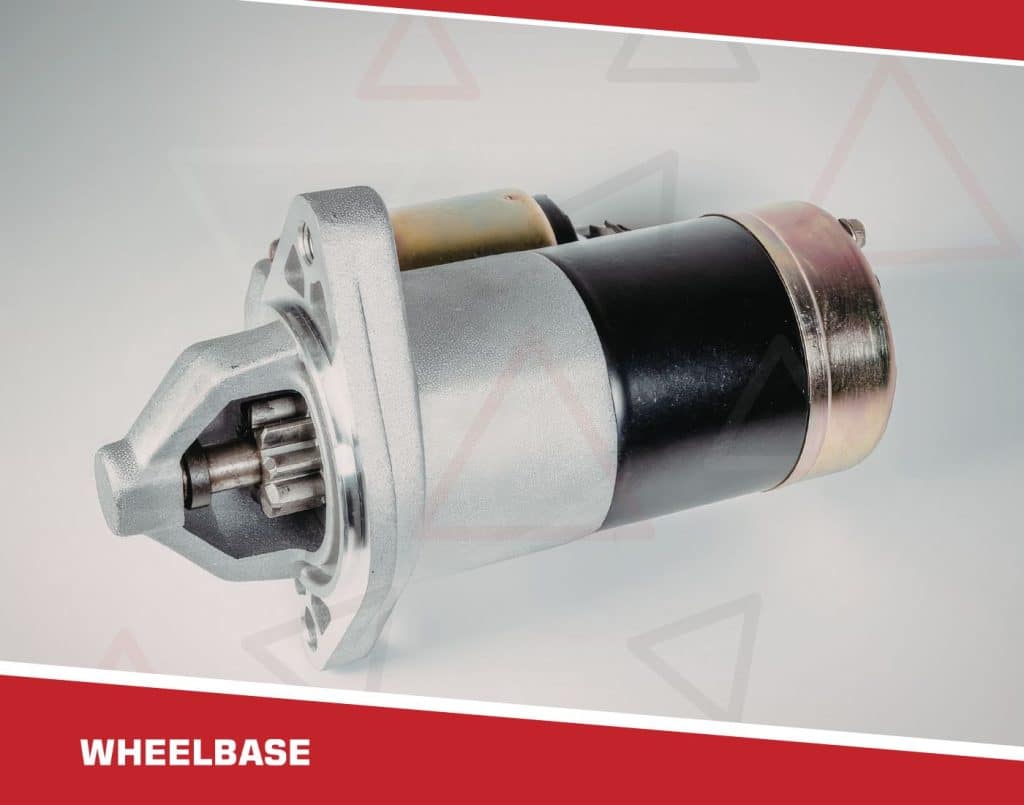
A starter motor is a powerful electric motor designed to begin engine operation by physically turning the engine’s crankshaft. Its sole role is to convert electrical energy from the battery into mechanical energy, cranking the engine until internal combustion takes over.
How Starter Motors Operate
- Electrical Activation: When you turn the ignition key (or press the start button), an electrical current is sent to the starter solenoid.
- Mechanical Engagement: The solenoid pushes a small pinion gear forward so it meshes with the engine’s flywheel.
- Cranking the Engine: The starter motor spins the flywheel rapidly, allowing the engine to draw in air and fuel to achieve the necessary RPMs to start. Once the engine fires up, the starter motor disengages to prevent damage.
Key Components of a Starter Motor
- Armature: A rotating coil that generates a magnetic field.
- Field Coil: Produces the stationary magnetic field needed to turn the armature.
- Solenoid: Acts as a heavy-duty switch that connects the battery to the motor and engages the pinion gear with the flywheel.
Alternator vs Starter Motor: Key Differences Explained
While both are integral to your car’s performance, their functionalities differ considerably:
- Operational Timing: The starter motor is only active for a few seconds during the starting process. The alternator functions continuously the entire time the engine is running.
- Power Flow: The starter motor draws a massive burst of electrical energy from the battery to create mechanical energy. The alternator takes mechanical energy from the engine to create electrical energy.
- Electrical Output/Draw: Alternators produce a steady voltage (typically around 13.5 to 14.5 volts) to charge the battery. Starter motors draw a massive amount of current (often up to 200 amps or more) for a very short duration.
Spotting the Signs of Failure
Recognising the symptoms of a failing component early can save you from being stranded.
Symptoms of a Failing Alternator
- Dim or Flickering Lights: An inconsistent power supply often shows up as dim headlights or flickering dashboard lights, especially when idling.
- Frequent Dead Batteries: If you constantly need a jump-start, your alternator might not be charging the battery adequately while you drive.
- Warning Lights: A battery-shaped warning light (or “ALT” / “GEN” light) illuminating on your dashboard is a clear indicator of a charging system issue.
- Strange Noises: A whining or grinding noise from the engine bay can indicate failing alternator bearings.
Symptoms of a Bad Starter Motor
- Clicking Noise: A rapid clicking sound when you turn the key is a classic sign of a faulty starter motor (or a flat battery).
- No Crank: If the dashboard lights turn on but the engine doesn’t turn over or make any sound at all, the starter motor or solenoid may be dead.
- Intermittent Starting: If the car struggles to crank sometimes but starts perfectly fine at other times, the starter motor is likely on its way out.
Alternator and starter motor faults are classic electrical diagnosis cases, a multimeter at the battery terminals separates them in under a minute. For the full electrical diagnostic process, see our pillar on professional car diagnostics.
Conclusion: Mastering Your Vehicle’s Electrical Systems
Understanding the difference between your alternator vs starter motor is important for any vehicle owner aiming to maintain their car’s reliability. From providing that initial burst of energy to crank the engine, to continuously powering your lights and charging the battery, both components are indispensable.
By recognising the early warning signs of trouble and keeping up with routine maintenance, you can prolong your vehicle’s life, enhance its efficiency, and avoid the stress of a car that refuses to start.