
Introduction
Wheel balancing is a critical aspect of vehicle maintenance that significantly impacts the performance and safety of any vehicle. It involves the equal distribution of weight around the wheel and tyre assembly, ensuring a smooth rotation. Proper wheel balancing is essential for maximising tyre life, enhancing fuel efficiency, and ensuring optimal handling and stability. When wheels are not balanced correctly, drivers may experience various issues, from vibrations while driving to uneven tyre wear, which can lead to costly repairs and safety hazards.
This blog post aims to provide a thorough exploration of wheel balancing, including how to identify balancing issues, the signs that indicate a need for professional attention, and the implications of neglecting this vital aspect of vehicle maintenance. We will delve into how wheel balancing works, examine the symptoms of imbalance, discuss the impact of unbalanced wheels on vehicle performance, outline the wheel balancing process, and provide guidance on when to schedule a wheel balance check. Additionally, we will address common misconceptions surrounding wheel balancing to help vehicle owners make informed decisions about their maintenance routines.
Understanding Wheel Balancing
What is Wheel Balancing?
Wheel balancing refers to aligning the weight distribution of a wheel and tyre assembly to ensure it rotates evenly. When a wheel is installed on a vehicle, it can become unbalanced due to various factors, including differences in tyre construction, uneven wear, or damage. An unbalanced wheel can cause vibrations, leading to discomfort for the driver and passengers and affecting the vehicle’s handling characteristics.
How Does Wheel Balancing Work?
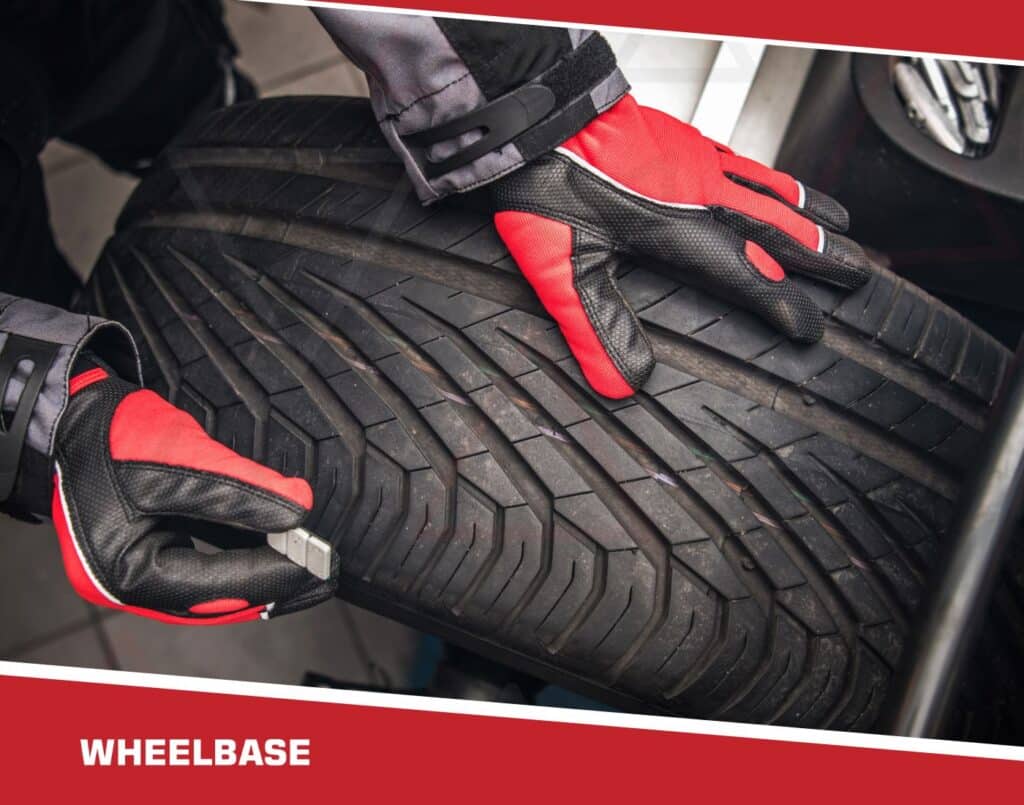
Balancing involves using weights to counteract any uneven distribution of weight on the wheel. Technicians typically use a balancing machine that spins the wheel at high speeds to detect any irregularities in its rotation. The machine identifies the heavy spots on the wheel, allowing the technician to attach weights to the opposite side to achieve balance. These weights can be made from various materials, including lead or steel, and can be either adhesive or clip-on types.
Importance of Regular Wheel Balancing Checks
Regular wheel balancing checks are crucial for maintaining optimal vehicle performance and safety. They help prevent uneven tyre wear, which can lead to premature tyre replacement. Additionally, balanced wheels contribute to improved fuel efficiency, as unbalanced wheels create additional rolling resistance that can increase fuel consumption. For these reasons, vehicle owners should consider wheel balancing checks a part of their routine maintenance schedule.
Symptoms of Wheel Balancing Issues
Recognising the Signs of Imbalance
Identifying the symptoms of wheel balancing issues is essential for vehicle owners to address potential problems before they escalate. Below are some common symptoms that indicate a need for a wheel balance check:
- Vibrations in the Steering Wheel: One of the most noticeable signs of unbalanced wheels is vibrations felt in the steering wheel, particularly at higher speeds. These vibrations can vary in intensity depending on the degree of imbalance and can be distracting and uncomfortable for the driver.
- Vibrations in the Seat or Floorboard: In some cases, vibrations may be felt in the driver’s seat or the floorboard. This can indicate that the rear wheels are unbalanced, creating a resonance that travels through the vehicle.
- Uneven Tyre Wear Patterns: Drivers may notice unusual wear patterns on their tyres, such as cupping or scalloping. These patterns often indicate an imbalance, as the tyre’s contact with the road surface varies due to the uneven weight distribution.
- Pulling to One Side: While pulling to one side can also signal misalignment, it can occasionally be caused by unbalanced wheels. If the imbalance is severe enough, it can affect the vehicle’s handling and cause it to drift away from a straight path.
- Excessive Noise: Unbalanced wheels can produce additional noise while driving, particularly at higher speeds. This noise may manifest as a humming or thumping sound, indicating that the tyres are not making even contact with the road.
Addressing Vibrations and Uneven Wear
Being vigilant about these symptoms is important for maintaining vehicle safety. If any of these signs are present, vehicle owners should consider scheduling a wheel balance check with a qualified technician. Ignoring these symptoms can lead to further complications, including increased maintenance costs and potential safety hazards on the road.
Impact of Unbalanced Wheels on Vehicle Performance
Effects on Handling and Stability
Unbalanced wheels can severely affect a vehicle’s handling characteristics. When wheels are not properly balanced, drivers may experience a lack of stability, especially during cornering or abrupt maneuvers. This can lead to a compromised ability to control the vehicle, increasing the risk of accidents.
Strain on Suspension Components
In addition to affecting handling, unbalanced wheels can place excessive strain on suspension components. The vibrations caused by imbalanced wheels can lead to premature wear on shocks, struts, and other suspension parts. This can result in costly repairs and further degrade the vehicle’s ride quality.
Impact on Braking and Acceleration
Unbalanced wheels can also impact braking and acceleration performance. An imbalanced wheel can lead to uneven braking forces, causing the vehicle to pull to one side during braking. This can create a dangerous situation, particularly in emergency braking scenarios where precise control is essential.
Relationship Between Wheel Balance and Fuel Efficiency
The relationship between wheel balance and fuel efficiency is significant. Unbalanced wheels can increase rolling resistance, causing the engine to work harder to maintain speed. As a result, vehicle owners may notice a decrease in fuel efficiency, leading to higher fuel costs over time. Regularly checking and maintaining wheel balance is a proactive measure to enhance fuel economy.
The Wheel Balancing Process
How Professionals Identify Imbalances
Professional technicians use specialised equipment to identify imbalances in wheels. The process typically begins with the removal of the wheel and tyre assembly from the vehicle. The technician then mounts the wheel onto a balancing machine that spins the wheel at high speeds. This machine uses sensors to detect any variations in weight distribution and identifies the locations that require adjustment.
Applying Weights to Achieve Balance
Once the technician has identified the heavy spots on the wheel, they will place weights on the opposite side to counterbalance the uneven distribution. There are two main types of weights used in this process:
- Adhesive Weights: These weights are adhered to the inside of the wheel rim. They are often used for alloy wheels where aesthetics are a concern, as they are less visible.
- Clip-on Weights: These weights are clipped onto the outer edge of the wheel rim. They are commonly used for steel wheels and are easier to adjust if further balancing is needed.
Ensuring Precision in Balancing
Precision is key in the wheel balancing process. Technicians must ensure that the weights are placed accurately according to the manufacturer’s specifications. A well-balanced wheel should have minimal runout, meaning it rotates smoothly without excessive wobbling. After adjusting the weights, the technician will re-test the wheel to confirm that it is properly balanced before reinstalling it on the vehicle.
When to Schedule a Wheel Balance Check
Recommended Frequency for Checks
Vehicle owners should schedule wheel balance checks regularly as part of their vehicle maintenance routine. It is generally recommended to have a wheel balance check performed every 5,000 to 7,000 miles, or every time the tyres are rotated. However, certain conditions may necessitate more frequent checks.
Factors That May Require More Frequent Checks
- Road Conditions: If you frequently drive on rough or uneven roads, your wheels may become unbalanced more quickly. Potholes, speed bumps, and gravel roads can all contribute to imbalances.
- New Tyre Installation: Whenever new tyres are installed, a wheel balance check should be performed to ensure optimal performance. New tyres can often have slight imperfections, and balancing them correctly is essential.
- After Significant Impacts: If you hit a significant pothole or kerb, it is advisable to have your wheels checked for balance. These impacts can cause immediate imbalances that may not be immediately noticeable.
- Symptom Observation: If you experience any symptoms associated with wheel balancing issues, such as vibrations or uneven tyre wear, you should schedule a balance check as soon as possible.
Proactive Maintenance for Longevity
Being proactive in scheduling wheel balance checks can save vehicle owners money in the long run. Addressing imbalances promptly helps prevent more significant issues, such as suspension wear and expensive tyre replacements.

Balancing matters most at the moment a new set of rubber goes on the car. Our guide to why wheel balancing is essential after new tyres explains why a fresh set still needs balancing once it has been fitted.
Common Misconceptions About Wheel Balancing
Clarifying Wheel Balancing vs. Wheel Alignment
One common misconception is that wheel balancing and wheel alignment are the same processes. While both are crucial for vehicle maintenance, they serve different purposes. Wheel balancing focuses on the weight distribution of the wheel and tyre assembly, while wheel alignment ensures that the wheels are set to the correct angle concerning the vehicle’s body and road. Proper alignment helps prevent uneven tyre wear and improves handling, while balancing ensures that the wheels rotate evenly.
Wheel tracking is a different job again, and the two are easy to confuse when you are booking work in. Our guide to wheel tracking versus wheel balancing sets out which symptoms point to which service.
The Necessity of Balancing for All Tyres
Another misconception is that wheel balancing is only necessary for new tyres. In reality, all tyres can become unbalanced over time due to various factors, including wear, damage, and changes in tyre pressure. Regardless of the age of the tyres, regular checks should be part of a comprehensive vehicle maintenance routine.
Addressing the Cosmetic Issue Misconception
Some vehicle owners may believe that vibrations caused by unbalanced wheels are merely a cosmetic issue and do not require immediate attention. This misconception can be dangerous, as vibrations often indicate underlying mechanical problems that can compromise vehicle safety. It is essential to address any signs of imbalance promptly to ensure a safe driving experience.

Conclusion
In conclusion, wheel balancing is a vital component of vehicle maintenance that plays a significant role in ensuring safety, performance, and longevity. Recognising the signs of balancing issues, understanding the impact of unbalanced wheels, and knowing when to schedule a balance check are essential for vehicle owners. By prioritising regular wheel balancing checks and addressing any symptoms promptly, vehicle owners can maintain their vehicle’s integrity and functionality.
If you’re experiencing any signs of wheel balancing issues, or if it’s been a while since your last balance check, take action today. Schedule a professional wheel balance check to ensure that your vehicle remains safe and performs optimally on the road. Investing in your vehicle’s maintenance is an investment in your safety and peace of mind.